

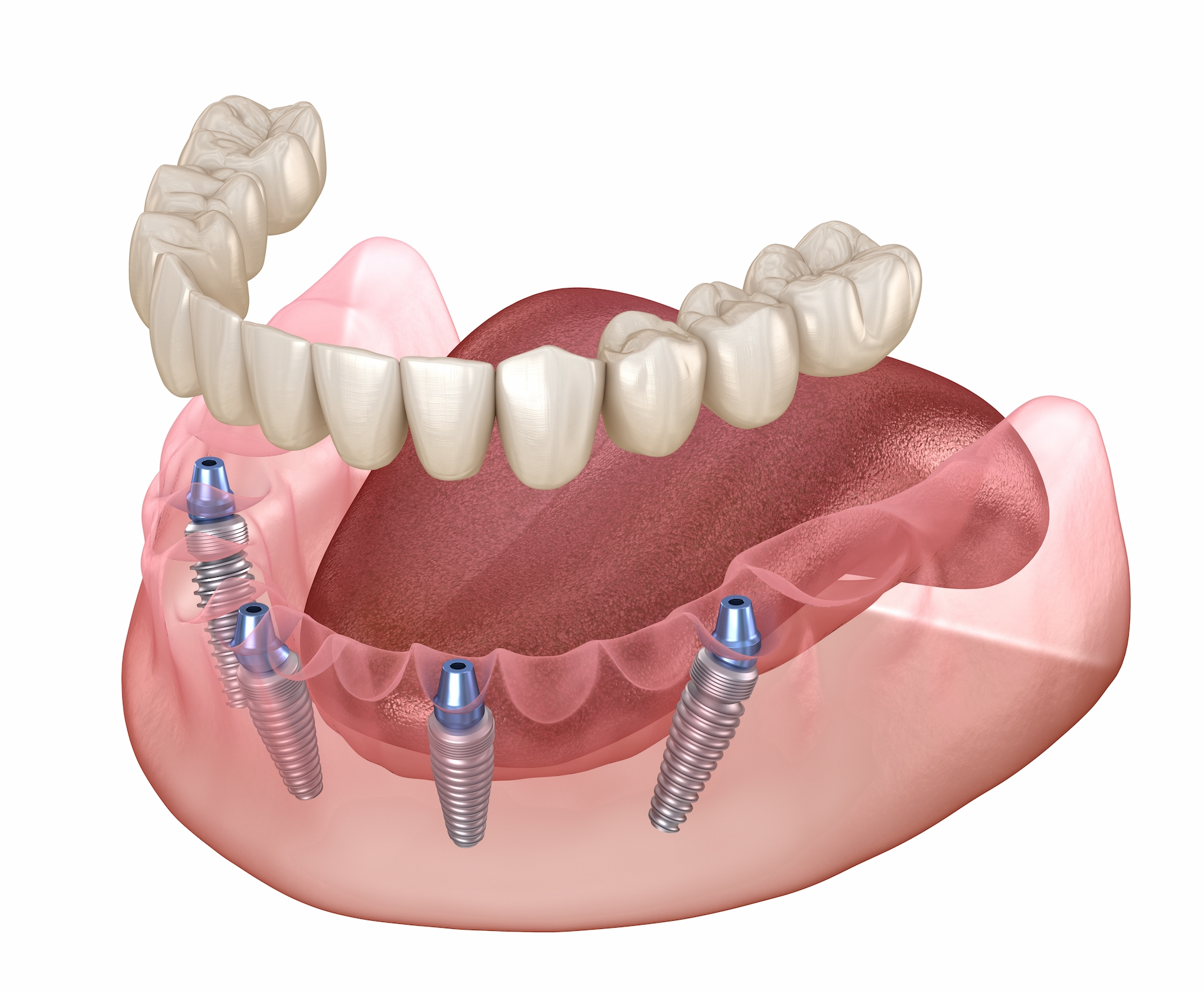
All-on-4 dental implant treatment replaces a full arch of missing or failing teeth using just four strategically placed implants, often with a temporary set of teeth attached the same day as surgery. The process typically unfolds over several visits: a consultation and 3D planning appointment, the implant placement surgery, a healing period of three to six months, and placement of the final permanent teeth. Most patients are comfortable throughout thanks to sedation, and many walk out of surgery with a complete smile.
All-on-4 is one of the most life-changing treatments in modern dentistry — but if you’re considering it, you probably want to know exactly what the journey looks like. Here’s a step-by-step walkthrough of what to expect from start to finish.
Step 1: Consultation and 3D Planning
Your journey begins with a thorough consultation. At this visit, your dentist examines your mouth, reviews your medical history, and takes a 3D CBCT scan — a high-definition image of your jawbone, nerves, and sinus cavities. This scan is essential: it lets your dentist map the exact position for each All-on-4 implant to take advantage of your densest available bone. You’ll also discuss your goals, your options, and a clear treatment plan with pricing. New patients at Mission Peak Dental Care can start with a free consultation that includes this imaging and planning.
Step 2: Preparing for Treatment
Because All-on-4 is designed to work with minimal bone, many patients can proceed without additional procedures. However, if you need any teeth removed first, or if your dentist recommends bone grafting to strengthen a specific area, those steps are planned in advance. Your dentist will walk you through exactly what your individual case requires so there are no surprises on surgery day.
Step 3: Implant Placement Surgery
On the day of surgery, four titanium implants are placed into the jawbone — typically two straight implants at the front and two angled implants at the back for maximum stability. The procedure usually takes a few hours per arch. For comfort, most patients choose IV sedation, which keeps you in a deep, relaxed state throughout — many have little or no memory of the procedure. In most cases, a temporary set of fixed teeth is attached the same day, so you leave with a functional smile rather than going without teeth.
Step 4: The Healing Period
Over the next three to six months, the implants fuse with your jawbone in a process called osseointegration — this is what makes All-on-4 so stable and long-lasting. During this time you’ll wear your temporary teeth and follow a modified diet to protect the healing implants. Most patients return to normal daily activities within a few days of surgery. Your dentist will see you for periodic check-ins to confirm everything is healing as expected.
Step 5: Your Final Permanent Teeth
Once the implants have fully integrated, your temporary teeth are replaced with your final, custom-crafted prosthesis — designed for the ideal fit, bite, and natural appearance. This is the moment patients have been waiting for: a permanent, non-slip smile that restores close to full chewing strength and looks completely natural. With proper care, All-on-4 results can last for decades.
Caring for Your All-on-4 Smile
All-on-4 teeth are cared for much like natural teeth — daily brushing, cleaning around the base of the prosthesis, and regular dental cleanings and exams. Because the teeth are fixed in place, there are no messy adhesives and nothing to remove at night. Your dental team will show you exactly how to keep your new smile healthy for the long term.
Is All-on-4 Right for You?
All-on-4 is an excellent option for patients missing most or all of their teeth in an arch, those with failing teeth, and many who have been told they lack the bone for traditional implants. It’s also a strong alternative for current denture wearers who want a permanent, stable solution. The best way to find out if you’re a candidate is a personalized evaluation. If you’re weighing your options, our guide comparing dentures and dental implants may also help.